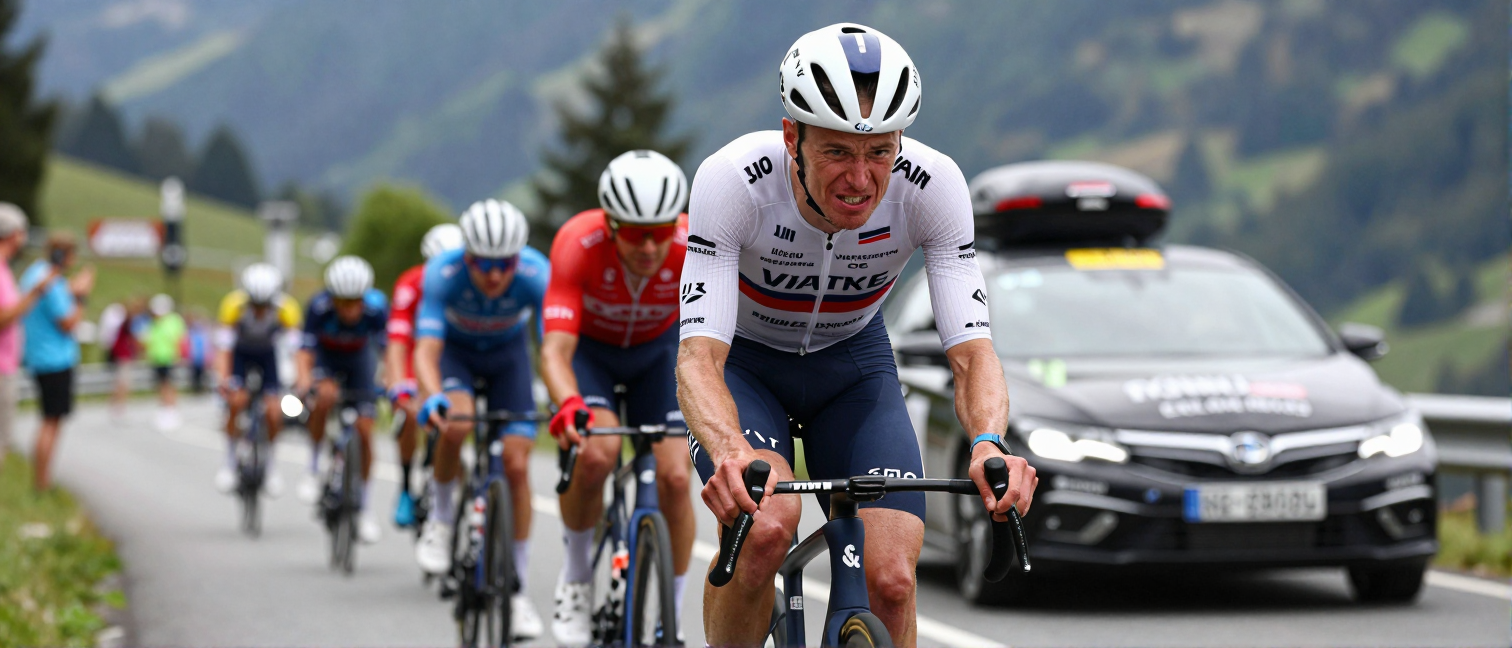
Wout van Aert’s withdrawal from the 2026 Tour de France, confirmed on 2 July 2026, removes a key ally for Jonas Vingegaard and reshapes the race’s tactical landscape.
How did van Aert’s absence happen?
On 2 July 2026, Team Jumbo‑Visma announced that van Aert would miss the three‑week Grand Tour after a lingering hamstring injury failed to respond to treatment. The decision came just days before the Grand Départ in Copenhagen, leaving the squad without its versatile classics specialist and powerful domestique.
Why does it matter for Vingegaard?
Vingegaard relies on van Aert’s ability to control flat sections, chase down breakaways, and set a high tempo on rolling terrain. Without that support, the Danish rider must allocate more energy to protect his lead, especially on stages where van Aert would normally shield him from wind and pace the peloton. Analysts note that Vingegaard’s margin for error narrows dramatically when a single rider must cover multiple roles.
What impact will the race feel?
The Tour’s early flat stages often see teams using strong rouleurs to keep the peloton together. Van Aert’s power‑train would have been a decisive factor in neutralising attacks from rivals like Tadej Pogacar or Remco Evenepoel. His absence opens a window for these challengers to force splits, forcing Vingegaard’s team to work harder to close gaps. Moreover, sprint‑finish teams lose a potential lead‑out man, altering the dynamics of stage‑win contests.
How might Jumbo‑Visma adapt?
Team Jumbo‑Visma plans to promote younger riders such as Sepp Kuss and Jasper Stuyven to fill the void. Kuss, a seasoned climber, will likely take on more flat‑stage duties, while Stuyven’s sprinting chops could be repurposed for pacing. The squad also hinted at using a rotating roster of domestiques to share the workload, but none match van Aert’s blend of power and endurance.
What does this mean for the overall race?
Cycling pundits argue that the Tour will be more unpredictable without van Aert’s stabilising presence. Breakaways may succeed more often, and the general‑classification battle could see larger time gaps on stages that would otherwise be tightly controlled. Fans can expect a more aggressive race, with Vingegaard forced to defend his yellow jersey under greater pressure.
What’s next for van Aert?
Medical staff expect van Aert to return to racing later in the season, targeting the World Championships in September. Until then, he will focus on rehabilitation and limited road work, aiming to regain the form that made him a multiple‑stage winner in previous Tours.
How will fans react?
Social media buzz shows disappointment mixed with optimism. While many lament the loss of a fan‑favorite, there’s also excitement about the tactical chess game that will unfold. The narrative now centres on whether Vingegaard can adapt and still dominate without his trusted lieutenant.
The 2026 Tour de France promises to be a test of depth and resilience for Jumbo‑Visma, and van Aert’s absence will be felt in every kilometer of the race.